Stable Reasons To Avoid Creativity Boosting Techniques
페이지 정보

본문
In recent years, the world has witnessed a significant transformation in the way people live, work, and interact with one another. The rapid advancement of technology, changing social norms, and increasing awareness about health and wellness have all contributed to a shift in lifestyle trends. This observational study aims to explore the changes in lifestyle habits of individuals and identify the factors driving these changes.
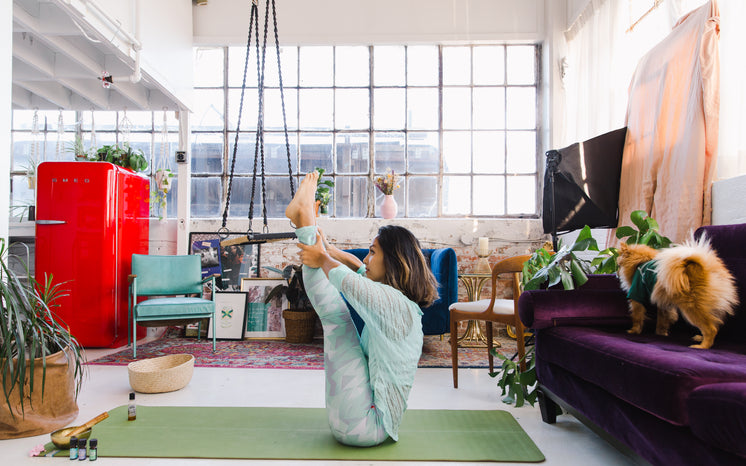 One of the most notable changes in lifestyle trends is the increased focus on health and wellness. With the rise of social media, people are now more aware of the importance of maintaining a healthy lifestyle, and as a result, there has been a significant increase in the number of individuals engaging in regular exercise and following a balanced diet. Gyms and yoga studios have become an integral part of modern infrastructure, and healthy food options have become more accessible and affordable. For instance, a survey conducted by the International Health, Racquet, and Sportsclub Association (IHRSA) found that the number of gym members worldwide increased by 10.8% between 2017 and 2018, reaching a total of 183 million members.
Another significant change in lifestyle trends is the shift towards a more digital and connected way of living. The widespread use of smartphones and social media has revolutionized the way people communicate, work, and entertain themselves. With the rise of remote work, people can now work from anywhere, at any time, and this has led to a significant change in the traditional 9-to-5 work culture. According to a report by Gallup, 43% of employed adults in the United States are working remotely at least some of the time, up from 31% in 2015. This shift has also led to an increase in the number of people working as freelancers or entrepreneurs, with many individuals opting for a more flexible and autonomous work arrangement.
Furthermore, there has been a significant change in the way people spend their leisure time. With the rise of streaming services such as Netflix and Hulu, people can now access a wide range of entertainment options from the comfort of their own homes. This has led to a decline in the number of people engaging in traditional activities such as reading and outdoor activities. According to a report by the Pew Research Center, 61% of adults in the United States have a streaming service, and the average adult spends around 5 hours per day watching television. This shift has also led to an increase in the number of people experiencing social isolation and loneliness, with many individuals opting for solo activities over social ones.
The shift in lifestyle trends has also been influenced by changing social norms and values. With the rise of feminism and the LGBTQ+ movement, there has been a significant increase in the number of people embracing non-traditional relationships and family structures. According to a report by the Pew Research Center, 64% of Americans believe that society is just as well off if people have non-traditional relationships, up from 45% in 2001. This shift has also led to an increase in the number of people prioritizing work-life balance and seeking flexible work arrangements that allow them to care for their families and pursue their Personal branding (Https://Socifauc.com) interests.
Finally, the shift in lifestyle trends has also been driven by economic factors. With the rise of e-commerce and online shopping, people can now access a wide range of products and services from the comfort of their own homes. This has led to a significant change in the retail landscape, with many brick-and-mortar stores closing their doors. According to a report by the National Retail Federation, e-commerce sales grew by 14.9% in 2020, while in-store sales grew by only 3.8%. This shift has also led to an increase in the number of people working in the gig economy, with many individuals opting for flexible and freelance work arrangements over traditional employment.
In conclusion, the shift in lifestyle trends is a complex and multifaceted phenomenon that has been driven by a range of factors, including technological advancements, changing social norms, and economic factors. As people continue to navigate the challenges and opportunities of the modern world, it is likely that lifestyle trends will continue to evolve and change. By understanding these changes and their drivers, we can better prepare for the future and create a more sustainable, equitable, and fulfilling way of living. Ultimately, the key to a happy and healthy lifestyle is finding a balance between work, leisure, and personal well-being, and it is up to each individual to prioritize their own needs and make choices that align with their values and goals.
One of the most notable changes in lifestyle trends is the increased focus on health and wellness. With the rise of social media, people are now more aware of the importance of maintaining a healthy lifestyle, and as a result, there has been a significant increase in the number of individuals engaging in regular exercise and following a balanced diet. Gyms and yoga studios have become an integral part of modern infrastructure, and healthy food options have become more accessible and affordable. For instance, a survey conducted by the International Health, Racquet, and Sportsclub Association (IHRSA) found that the number of gym members worldwide increased by 10.8% between 2017 and 2018, reaching a total of 183 million members.Another significant change in lifestyle trends is the shift towards a more digital and connected way of living. The widespread use of smartphones and social media has revolutionized the way people communicate, work, and entertain themselves. With the rise of remote work, people can now work from anywhere, at any time, and this has led to a significant change in the traditional 9-to-5 work culture. According to a report by Gallup, 43% of employed adults in the United States are working remotely at least some of the time, up from 31% in 2015. This shift has also led to an increase in the number of people working as freelancers or entrepreneurs, with many individuals opting for a more flexible and autonomous work arrangement.
Furthermore, there has been a significant change in the way people spend their leisure time. With the rise of streaming services such as Netflix and Hulu, people can now access a wide range of entertainment options from the comfort of their own homes. This has led to a decline in the number of people engaging in traditional activities such as reading and outdoor activities. According to a report by the Pew Research Center, 61% of adults in the United States have a streaming service, and the average adult spends around 5 hours per day watching television. This shift has also led to an increase in the number of people experiencing social isolation and loneliness, with many individuals opting for solo activities over social ones.
The shift in lifestyle trends has also been influenced by changing social norms and values. With the rise of feminism and the LGBTQ+ movement, there has been a significant increase in the number of people embracing non-traditional relationships and family structures. According to a report by the Pew Research Center, 64% of Americans believe that society is just as well off if people have non-traditional relationships, up from 45% in 2001. This shift has also led to an increase in the number of people prioritizing work-life balance and seeking flexible work arrangements that allow them to care for their families and pursue their Personal branding (Https://Socifauc.com) interests.
Finally, the shift in lifestyle trends has also been driven by economic factors. With the rise of e-commerce and online shopping, people can now access a wide range of products and services from the comfort of their own homes. This has led to a significant change in the retail landscape, with many brick-and-mortar stores closing their doors. According to a report by the National Retail Federation, e-commerce sales grew by 14.9% in 2020, while in-store sales grew by only 3.8%. This shift has also led to an increase in the number of people working in the gig economy, with many individuals opting for flexible and freelance work arrangements over traditional employment.
In conclusion, the shift in lifestyle trends is a complex and multifaceted phenomenon that has been driven by a range of factors, including technological advancements, changing social norms, and economic factors. As people continue to navigate the challenges and opportunities of the modern world, it is likely that lifestyle trends will continue to evolve and change. By understanding these changes and their drivers, we can better prepare for the future and create a more sustainable, equitable, and fulfilling way of living. Ultimately, the key to a happy and healthy lifestyle is finding a balance between work, leisure, and personal well-being, and it is up to each individual to prioritize their own needs and make choices that align with their values and goals.
- 이전글„Strategii avansate de pariuri verzi pentru jucătorii experimentați" [home] 26.05.24
- 다음글Какие прилагательные можно подогнуть к каждой букве слова "мамочка"? 26.05.24
댓글목록
등록된 댓글이 없습니다.